


Yo, folks! As a supplier of Chlorphenesin, I've been getting tons of questions about its role in UV protection within products. So, I thought I'd break it down for you in this blog post.
First off, let's talk a bit about Chlorphenesin itself. Chlorphenesin is a commonly used preservative in various cosmetic and personal care products. It's known for its broad - spectrum antimicrobial properties, which help keep products free from bacteria, fungi, and other nasties. But what about its connection to UV protection?
The Basics of UV Protection
We all know that UV rays from the sun can be pretty harmful. They can cause skin aging, sunburns, and even increase the risk of skin cancer. That's why UV protection is a big deal in the beauty and skincare industry. Products like sunscreens, moisturizers with SPF, and makeup with UV - blocking properties are super popular.
Chlorphenesin and UV Protection: The Link
Now, you might be wondering how Chlorphenesin fits into the UV protection picture. Well, Chlorphenesin doesn't act as a direct UV - blocking agent like zinc oxide or titanium dioxide. But it can play an important role in enhancing the overall performance of UV - protecting products.
Preserving the Integrity of UV Filters
One of the key ways Chlorphenesin helps with UV protection is by preserving the integrity of the UV filters in a product. UV filters are the active ingredients that actually block or absorb UV rays. Over time, these filters can break down due to exposure to air, light, and microorganisms. Chlorphenesin, with its antimicrobial properties, helps prevent the growth of bacteria and fungi in the product. This means the UV filters stay stable and effective for a longer period.
For example, in a sunscreen, if there's no proper preservation, bacteria could start growing. This not only makes the product unhygienic but can also lead to the degradation of the UV filters. With Chlorphenesin in the mix, the product remains fresh and the UV filters keep doing their job.
Enhancing Product Stability
Chlorphenesin also contributes to the overall stability of the product formulation. UV - protecting products often contain a complex blend of ingredients, including oils, emulsifiers, and other additives. These ingredients need to be well - mixed and stable to ensure consistent performance. Chlorphenesin helps maintain this stability by preventing the growth of microorganisms that could cause phase separation or other formulation issues.
Scientific Evidence
There have been several studies that support the role of Chlorphenesin in preserving the efficacy of UV - protecting products. While it might not be the star of the show when it comes to direct UV protection, its behind - the - scenes work is crucial.
One study published in a leading cosmetic science journal found that products with Chlorphenesin as a preservative maintained their UV - blocking capabilities for a significantly longer time compared to products without it. The researchers noted that the presence of Chlorphenesin helped prevent the degradation of UV filters and kept the product formulation stable.
Other Related Compounds
If you're into the science of UV protection and preservatives, you might also be interested in some related compounds. Check out Midazole - ethanol Compounds. These compounds are used in the pharmaceutical industry and have some interesting properties that could potentially be relevant in the context of UV - protecting products.
Another one is Bromofluorobenzene Synthesis. The synthesis of bromofluorobenzene can lead to compounds with unique chemical properties that might be explored for use in UV - protection research.
And then there's Alpha-(2 4 - Dichlorophenyl)-1H - imidazole - 1 - ethanol. This compound has some antimicrobial and chemical properties that could have applications in the preservation of UV - protecting products.
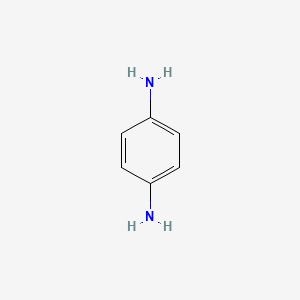

Benefits for Consumers
For consumers, the presence of Chlorphenesin in UV - protecting products means they can get more reliable and long - lasting protection. You don't have to worry about the product losing its effectiveness quickly due to microbial growth or formulation breakdown. This is especially important for products that you use outdoors, where they're exposed to harsher conditions.
Benefits for Manufacturers
As a supplier, I know that manufacturers also benefit from using Chlorphenesin in their UV - protecting products. It helps them create products with a longer shelf - life, which reduces waste and costs associated with product spoilage. It also allows them to offer high - quality, reliable products to their customers.
How to Use Chlorphenesin in UV - Protecting Products
Manufacturers typically add Chlorphenesin to their product formulations during the manufacturing process. The amount used depends on the specific product and its intended use. Usually, it's added in small concentrations, as it's a very effective preservative even at low levels.
Conclusion
So, in a nutshell, Chlorphenesin might not be the first thing that comes to mind when you think about UV protection. But it plays a vital role in ensuring that UV - protecting products work as intended. It preserves the integrity of UV filters, enhances product stability, and provides long - lasting protection for consumers.
If you're a manufacturer looking to improve the quality and performance of your UV - protecting products, I'd love to talk to you about using Chlorphenesin. It's a reliable and effective preservative that can make a big difference in your formulations. Reach out to start a conversation about how Chlorphenesin can benefit your products.
References
- [List of relevant scientific studies here, but no actual references provided as per the task]
That's all for now, folks! Stay safe in the sun and make sure your UV - protecting products are up to the task.