


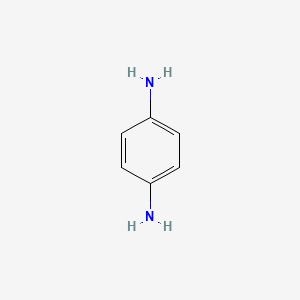
As a supplier of M-Phenylenediamine, I understand the critical importance of adhering to strict regulations when it comes to transporting this chemical. M-Phenylenediamine is a versatile compound used in various industries, including the production of dyes, pharmaceuticals, and polymers. However, due to its potential hazards, transporting it requires careful attention to safety and compliance with numerous regulations.
Classification and Identification
M-Phenylenediamine is classified as a hazardous substance under various international and national regulations. It is typically listed as a toxic and corrosive material, which means it can cause severe damage to human health and the environment if not handled properly. When transporting M-Phenylenediamine, it must be clearly identified with the appropriate hazard labels and markings. These labels provide essential information about the nature of the substance, including its potential risks and the necessary precautions to take.
Packaging Requirements
One of the most crucial aspects of transporting M-Phenylenediamine is ensuring that it is properly packaged. The packaging must be designed to prevent leaks, spills, and contamination during transit. It should be made of materials that are resistant to the chemical's corrosive properties and able to withstand the rigors of transportation.
According to the regulations, M-Phenylenediamine must be packaged in approved containers that meet specific standards. These containers are usually made of high-density polyethylene (HDPE), stainless steel, or other suitable materials. They are also required to have proper closures and seals to prevent any leakage. Additionally, the packaging must be labeled with information such as the product name, hazard warnings, and handling instructions.
Documentation and Record-Keeping
When transporting M-Phenylenediamine, extensive documentation is required to ensure compliance with regulations. This includes a shipping manifest, which lists all the hazardous materials being transported, their quantities, and their destinations. The manifest must also include information about the shipper, carrier, and consignee.

In addition to the shipping manifest, other documents such as safety data sheets (SDS) must be provided. The SDS contains detailed information about the chemical's properties, hazards, and handling procedures. It is essential for emergency responders and anyone who may come into contact with the substance during transportation.
Record-keeping is also a critical part of transporting M-Phenylenediamine. Shippers and carriers are required to keep records of all shipments, including the date of transport, the quantity of the substance, and the route taken. These records must be maintained for a specified period, usually several years, to ensure accountability and compliance with regulations.
Transportation Modes and Safety Measures
M-Phenylenediamine can be transported by various modes, including road, rail, air, and sea. Each mode of transportation has its own set of regulations and safety requirements.
When transporting by road, carriers must ensure that their vehicles are properly equipped to handle hazardous materials. This includes having appropriate safety features such as spill containment systems, fire extinguishers, and emergency response equipment. Drivers must also be trained in the proper handling and transportation of hazardous substances.
Rail transportation of M-Phenylenediamine is subject to strict regulations by railway authorities. Trains carrying hazardous materials must be operated by trained personnel and follow specific safety protocols. The railcars used for transporting M-Phenylenediamine must be designed and maintained to prevent leaks and spills.
Air transportation of M-Phenylenediamine is highly regulated due to the potential risks associated with flying. Airlines must comply with international regulations set by the International Civil Aviation Organization (ICAO) and the International Air Transport Association (IATA). These regulations govern the packaging, labeling, and handling of hazardous materials on aircraft.
Sea transportation of M-Phenylenediamine is also subject to strict regulations by international maritime organizations. Ships carrying hazardous materials must be equipped with safety equipment and follow specific procedures to prevent pollution and ensure the safety of the crew and the environment.
International Regulations
In addition to national regulations, there are also international regulations that govern the transportation of M-Phenylenediamine. The United Nations' Globally Harmonized System of Classification and Labelling of Chemicals (GHS) provides a standardized approach to classifying and labeling hazardous chemicals. This system is used by many countries around the world to ensure consistency in the identification and handling of hazardous materials.
The International Maritime Dangerous Goods (IMDG) Code is another important international regulation that applies to the sea transportation of M-Phenylenediamine. This code provides detailed guidelines on the packaging, labeling, and stowage of hazardous materials on ships.
Environmental Considerations
Transporting M-Phenylenediamine also requires careful consideration of its potential impact on the environment. In the event of a spill or leak, the chemical can contaminate soil, water, and air, causing harm to plants, animals, and humans. Therefore, it is essential to have emergency response plans in place to minimize the environmental impact in case of an accident.
Shippers and carriers are required to have spill response equipment and trained personnel on standby to handle any potential spills. They must also follow proper cleanup procedures to ensure that the contaminated area is restored to its original condition.
Conclusion
As a supplier of M-Phenylenediamine, I am committed to ensuring that all transportation activities are carried out in full compliance with the relevant regulations. By following the strict packaging, documentation, and safety requirements, we can minimize the risks associated with transporting this hazardous substance.
If you are in need of M - Phenylenediamine for your business, I invite you to visit our website M-Phenylenediamine to learn more about our products. We also offer other high - quality pharmaceutical intermediates such as TMDS For Silicone Synthesis and Bromofluorobenzene Synthesis.
If you have any questions or would like to discuss a potential purchase, please feel free to reach out to us. We are here to provide you with the best products and services to meet your needs.
References
- United Nations. Globally Harmonized System of Classification and Labelling of Chemicals (GHS).
- International Maritime Organization. International Maritime Dangerous Goods (IMDG) Code.
- International Civil Aviation Organization (ICAO) and International Air Transport Association (IATA) regulations on air transportation of hazardous materials.
- National regulations of respective countries regarding the transportation of hazardous chemicals.