


M-Phenylenediamine, a crucial chemical compound, finds extensive applications in various industries, including the production of dyes, pigments, and pharmaceuticals. As a reliable supplier of M-Phenylenediamine, understanding the transportation requirements is of utmost importance to ensure the safe and efficient delivery of this product to our valued customers. In this blog post, I will delve into the key transportation requirements for M-Phenylenediamine, shedding light on the necessary precautions and regulations that need to be adhered to.
Classification and Packaging
M-Phenylenediamine is classified as a hazardous substance due to its toxic and irritating properties. It is essential to properly classify and package the product to prevent any potential risks during transportation. According to the Globally Harmonized System of Classification and Labelling of Chemicals (GHS), M-Phenylenediamine is classified as a Category 3 skin sensitizer and a Category 2 eye irritant. Therefore, it must be packed in appropriate containers that comply with the relevant safety standards.
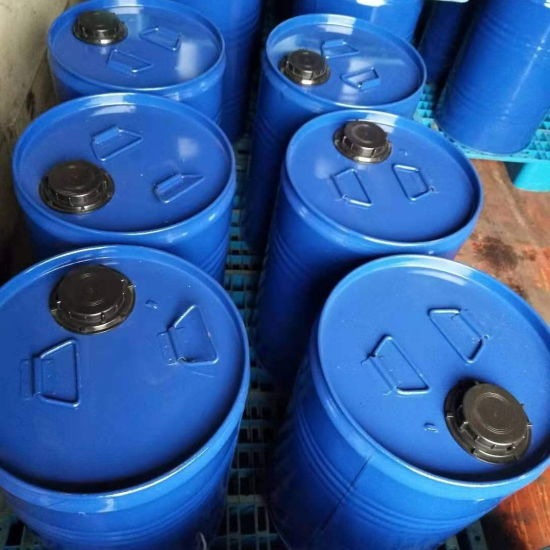
The packaging materials should be resistant to corrosion and leakage, ensuring that the product remains intact throughout the transportation process. Commonly used packaging options for M-Phenylenediamine include drums, intermediate bulk containers (IBCs), and tanks. These containers should be clearly labeled with the appropriate hazard symbols and handling instructions to alert the transportation personnel and ensure proper handling.
Documentation and Labeling
Accurate documentation and labeling are crucial for the transportation of M-Phenylenediamine. The shipper is responsible for providing detailed information about the product, including its name, quantity, hazard class, and emergency contact information. This information is typically included in the shipping documents, such as the bill of lading and the safety data sheet (SDS).
The SDS is a comprehensive document that provides detailed information about the chemical properties, hazards, and safety precautions of M-Phenylenediamine. It is essential to ensure that the SDS is up-to-date and readily available to the transportation personnel in case of an emergency. Additionally, the packaging of M-Phenylenediamine should be labeled with the appropriate hazard symbols, such as the skull and crossbones for toxicity and the exclamation mark for irritation.
Transportation Mode and Carrier Selection
The choice of transportation mode and carrier plays a significant role in ensuring the safe and efficient delivery of M-Phenylenediamine. Depending on the quantity and destination of the shipment, different transportation modes can be considered, including road, rail, sea, and air. Each mode of transportation has its own set of regulations and requirements, and it is essential to choose a carrier that is experienced and licensed to transport hazardous substances.
When selecting a carrier, it is important to consider their safety record, compliance with regulations, and ability to handle the specific requirements of M-Phenylenediamine. The carrier should have the necessary equipment and training to ensure the proper handling and transportation of the product. Additionally, they should have a contingency plan in place to respond to any emergencies that may occur during the transportation process.
Safety Precautions and Emergency Response
Transporting M-Phenylenediamine requires strict adherence to safety precautions to minimize the risk of accidents and ensure the safety of the transportation personnel and the environment. The transportation vehicle should be equipped with appropriate safety equipment, such as fire extinguishers, spill containment materials, and personal protective equipment (PPE). The drivers and other transportation personnel should be trained on the proper handling and emergency response procedures for M-Phenylenediamine.
In case of an emergency, such as a spill or a fire, it is essential to have a well-defined emergency response plan in place. The plan should include procedures for evacuating the area, containing the spill, and notifying the relevant authorities. The transportation personnel should be familiar with the emergency response plan and be able to respond quickly and effectively in case of an incident.

Regulatory Compliance
Compliance with relevant regulations is a top priority when transporting M-Phenylenediamine. Different countries and regions have their own set of regulations regarding the transportation of hazardous substances, and it is essential to ensure that all shipments comply with these regulations. Some of the key regulations that need to be considered include the International Maritime Dangerous Goods (IMDG) Code for sea transportation, the International Air Transport Association (IATA) Dangerous Goods Regulations for air transportation, and the Department of Transportation (DOT) regulations for road and rail transportation in the United States.
Failure to comply with these regulations can result in serious consequences, including fines, penalties, and legal liabilities. Therefore, it is important to stay updated on the latest regulatory requirements and ensure that all transportation activities are conducted in full compliance with the law.
Conclusion
As a supplier of M-Phenylenediamine, we understand the importance of ensuring the safe and efficient transportation of this product. By following the transportation requirements outlined in this blog post, we can minimize the risk of accidents and ensure the timely delivery of M-Phenylenediamine to our customers.
If you are interested in purchasing M-Phenylenediamine or have any questions about its transportation requirements, please feel free to [initiate a contact for procurement discussions]. We are committed to providing high-quality products and excellent customer service, and we look forward to working with you.
References
- Globally Harmonized System of Classification and Labelling of Chemicals (GHS)
- International Maritime Dangerous Goods (IMDG) Code
- International Air Transport Association (IATA) Dangerous Goods Regulations
- Department of Transportation (DOT) regulations
For more information on related pharmaceutical intermediates, you can visit the following links: