


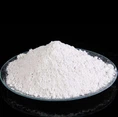

Chlorphenesin is a well - known preservative and antimicrobial agent that has found its way into various personal care products. As a Chlorphenesin supplier, I often receive inquiries about its potential use in toothpaste. In this blog post, we will explore whether Chlorphenesin can be used in toothpaste, considering its properties, regulatory aspects, and potential benefits and drawbacks.
Properties of Chlorphenesin
Chlorphenesin, chemically known as 3 - (4 - chlorophenoxy) - 1,2 - propanediol, is a white crystalline powder. It has good solubility in organic solvents and a certain degree of solubility in water. One of its key features is its broad - spectrum antimicrobial activity. It can effectively inhibit the growth of bacteria, fungi, and yeasts. This property makes it an attractive candidate for use in products where microbial contamination needs to be controlled, such as personal care items.
Regulatory Considerations
Before using any ingredient in toothpaste, it is crucial to comply with relevant regulations. In many countries, toothpaste is considered an oral hygiene product and is subject to strict regulatory requirements. Regulatory bodies, such as the Food and Drug Administration (FDA) in the United States and the European Union's Cosmetics Regulation, set limits on the use of various ingredients in oral care products.

As of now, Chlorphenesin is generally recognized as safe for use in cosmetics and personal care products within certain concentration limits. However, the regulations for toothpaste may be more stringent. Toothpaste comes into direct contact with the oral mucosa and is likely to be swallowed in small amounts, especially by children. Therefore, any ingredient used in toothpaste must meet high safety standards.
In some regions, the use of Chlorphenesin in toothpaste may require specific approvals or may be restricted. It is essential for toothpaste manufacturers to conduct thorough safety assessments and ensure compliance with local regulations before incorporating Chlorphenesin into their products.
Potential Benefits of Using Chlorphenesin in Toothpaste
Antimicrobial Protection
The oral cavity is a complex ecosystem that harbors a large number of microorganisms. Some of these microorganisms can cause dental problems such as tooth decay, gum disease, and bad breath. Chlorphenesin's antimicrobial properties can help in reducing the growth of harmful bacteria in the mouth. By including Chlorphenesin in toothpaste, it may be possible to enhance the toothpaste's ability to prevent oral infections and maintain oral hygiene.
Preservation
Toothpaste contains various ingredients such as water, flavorings, and abrasives. These ingredients can provide a suitable environment for microbial growth. Chlorphenesin can act as a preservative, extending the shelf - life of toothpaste and preventing the growth of mold, yeast, and bacteria during storage. This ensures that the toothpaste remains safe and effective throughout its intended use.
Potential Drawbacks and Concerns
Allergic Reactions
Although Chlorphenesin is generally considered safe, there is a possibility of allergic reactions in some individuals. Allergic reactions to preservatives can manifest as skin rashes, itching, or swelling in the oral cavity. Toothpaste manufacturers need to be aware of this risk and conduct appropriate allergy testing before marketing toothpaste containing Chlorphenesin.
Taste and Odor
The addition of Chlorphenesin to toothpaste may affect its taste and odor. Toothpaste is a product that consumers expect to have a pleasant taste and smell. If Chlorphenesin imparts an unpleasant taste or odor to the toothpaste, it may reduce consumer acceptance. Therefore, formulators need to carefully balance the amount of Chlorphenesin used to avoid any negative sensory impacts.
Comparison with Other Toothpaste Preservatives
There are several other preservatives commonly used in toothpaste, such as parabens, sodium benzoate, and potassium sorbate. Each of these preservatives has its own advantages and disadvantages.
Parabens have been widely used in the past due to their excellent antimicrobial properties. However, there have been concerns about their potential endocrine - disrupting effects. Sodium benzoate and potassium sorbate are also effective preservatives, but they may have limitations in terms of their activity against certain types of microorganisms.
Chlorphenesin offers a different profile. Its broad - spectrum antimicrobial activity and relatively low potential for causing environmental concerns make it an interesting alternative. However, as mentioned earlier, its use in toothpaste needs to be carefully evaluated based on regulatory requirements and consumer acceptance.
Research and Development
In recent years, there has been an increasing interest in developing more natural and safe toothpaste formulations. Some research has focused on using plant - based extracts and essential oils as alternatives to traditional preservatives. However, these natural alternatives may not always provide the same level of antimicrobial protection as synthetic preservatives like Chlorphenesin.
There is a need for further research to explore the optimal use of Chlorphenesin in toothpaste. This includes studies on its long - term safety, efficacy in preventing oral diseases, and its interaction with other toothpaste ingredients. By conducting more in - depth research, we can better understand the potential of Chlorphenesin in the toothpaste industry.
Related Pharmaceutical Intermediates
If you are interested in other related chemical compounds, you may want to explore Bromofluorobenzene Synthesis, Fluorinated Aromatic Intermediates, and Hexamethyldisilazane HMDS. These compounds play important roles in the pharmaceutical and chemical industries and may have potential applications in oral care product development as well.
Conclusion
In conclusion, Chlorphenesin has the potential to be used in toothpaste due to its antimicrobial and preservative properties. However, its use is subject to strict regulatory requirements and needs to be carefully evaluated in terms of safety, taste, and consumer acceptance. As a Chlorphenesin supplier, we are committed to providing high - quality products and supporting toothpaste manufacturers in their research and development efforts.
If you are a toothpaste manufacturer or are interested in exploring the use of Chlorphenesin in oral care products, we invite you to contact us for more information and to discuss potential procurement opportunities. We can provide you with detailed product specifications, safety data, and samples for testing.
References
- Cosmetics Europe - The Personal Care Association. Cosmetics Ingredients Database.
- U.S. Food and Drug Administration. Regulations for Oral Hygiene Products.
- European Union Cosmetics Regulation. Annexes on Allowed and Restricted Ingredients.