


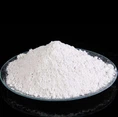

Hey there! As a supplier of Fenofibric Acid, I often get asked whether it can be taken with other medications. It's a super important question because taking the wrong combination of drugs can lead to some serious health issues. So, let's dive right in and explore this topic together.
First off, what is Fenofibric Acid? It's a medication that's commonly used to lower cholesterol and triglyceride levels in the blood. High cholesterol and triglycerides can increase your risk of heart disease and other health problems, so Fenofibric Acid plays a crucial role in managing these conditions. It works by reducing the production of triglycerides in the liver and increasing the breakdown of fats in the body.
Now, onto the big question: Can Fenofibric Acid be taken with other medications? Well, the answer isn't a simple yes or no. It depends on the specific medications you're taking. Some drugs can interact with Fenofibric Acid, which can either reduce its effectiveness or increase the risk of side effects.


Let's start with the medications that you should be extra careful about when taking with Fenofibric Acid. Statins are one of the most common medications used to lower cholesterol, and they're often prescribed along with Fenofibric Acid. While taking them together can be beneficial for some people, it also increases the risk of muscle problems, such as myopathy and rhabdomyolysis. These conditions can cause muscle pain, weakness, and in severe cases, kidney damage. So, if you're taking a statin and Fenofibric Acid, your doctor will need to monitor you closely for any signs of muscle problems.
Another group of medications to watch out for are blood thinners, like warfarin. Fenofibric Acid can increase the effects of blood thinners, which can lead to an increased risk of bleeding. If you're taking a blood thinner and need to start taking Fenofibric Acid, your doctor will need to adjust your dosage of the blood thinner and monitor your blood clotting time more closely.
Certain antibiotics, such as erythromycin and clarithromycin, can also interact with Fenofibric Acid. These antibiotics can increase the levels of Fenofibric Acid in the blood, which can increase the risk of side effects. If you need to take an antibiotic while you're on Fenofibric Acid, make sure to tell your doctor so they can adjust your treatment plan accordingly.
On the other hand, there are some medications that are generally safe to take with Fenofibric Acid. For example, medications for high blood pressure, such as ACE inhibitors and beta-blockers, usually don't interact with Fenofibric Acid. However, it's still important to let your doctor know about all the medications you're taking, just to be on the safe side.
It's also worth mentioning that some over-the-counter medications and supplements can interact with Fenofibric Acid. For instance, St. John's wort, a popular herbal supplement, can reduce the effectiveness of Fenofibric Acid. So, if you're taking any supplements, make sure to check with your doctor or pharmacist before starting Fenofibric Acid.
Now, I know this all sounds a bit complicated, but the most important thing is to communicate openly with your doctor. Before starting any new medication, including Fenofibric Acid, make sure to tell your doctor about all the medications, supplements, and herbs you're currently taking. They'll be able to assess the potential risks and benefits of taking Fenofibric Acid with your other medications and make the best decision for your health.
As a supplier of Fenofibric Acid, I understand the importance of providing high-quality products. We ensure that our Fenofibric Acid meets the highest standards of purity and quality. Whether you're a pharmaceutical company looking to incorporate Fenofibric Acid into your products or a researcher studying its effects, we've got you covered.
If you're interested in learning more about Fenofibric Acid or are looking to purchase it, feel free to reach out to us. We're always happy to discuss your needs and provide you with the information you need. You can also explore some of our other pharmaceutical intermediates, like Cyclohexane Carbonyl Chloride 2719-27-9, 3,4,5-trichloronitrobenzene, and 25561 30 2. These products are also of the highest quality and can be used in a variety of pharmaceutical applications.
In conclusion, while Fenofibric Acid can be a great medication for managing cholesterol and triglyceride levels, it's important to be aware of its potential interactions with other medications. By working closely with your doctor and being open about your medication history, you can ensure that you're taking Fenofibric Acid safely and effectively. If you have any questions or need more information, don't hesitate to get in touch with us. We're here to help you on your journey to better health.
References
- National Institutes of Health. (2023). Fenofibric acid [Online]. Available at: [URL of relevant NIH page]
- American Heart Association. (2023). Cholesterol management [Online]. Available at: [URL of relevant AHA page]
- Mayo Clinic. (2023). Drug interactions [Online]. Available at: [URL of relevant Mayo Clinic page]