


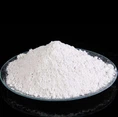

Hey there! As a Chlorphenesin supplier, I often get asked a bunch of questions about this chemical compound. One of the most common ones is, "Does Chlorphenesin have antibacterial properties?" Well, let's dive right into this topic and find out.
First off, let's talk a bit about what Chlorphenesin is. Chlorphenesin is a chemical that's used in a variety of industries. It's commonly found in the cosmetic and personal - care industry as a preservative. You can find it in products like lotions, creams, and shampoos. But it also has applications in other fields, such as in Crosslinking Agent For Polymers, where it can play a role in the manufacturing process.
Now, onto the big question: antibacterial properties. To answer this, we need to look at some scientific studies. There have been several research projects focused on Chlorphenesin's ability to fight off bacteria. Some studies have shown that Chlorphenesin does exhibit antibacterial activity, especially against certain types of bacteria.
For example, in a laboratory setting, Chlorphenesin has been tested against common skin - dwelling bacteria. It was found to inhibit the growth of some strains, which is a good sign. The way it works is by interfering with the bacteria's metabolic processes. Bacteria need to carry out various chemical reactions to survive and multiply. Chlorphenesin can disrupt these reactions, essentially throwing a wrench in the bacteria's machinery.
However, it's important to note that Chlorphenesin's antibacterial effectiveness isn't the same against all bacteria. There are some bacteria that are more resistant to it. So, while it can be a useful tool in the fight against bacteria, it's not a one - size - fits - all solution.
In the cosmetic industry, the antibacterial properties of Chlorphenesin are quite valuable. Cosmetic products are often exposed to the environment, and bacteria can easily contaminate them. By adding Chlorphenesin as a preservative, manufacturers can extend the shelf - life of their products and prevent the growth of harmful bacteria. This helps to ensure that the products are safe for consumers to use.
Another aspect to consider is the concentration of Chlorphenesin. The antibacterial activity is often dose - dependent. Higher concentrations are generally more effective at killing or inhibiting bacteria. But there's a balance to be struck here. In cosmetic products, using too high a concentration of Chlorphenesin can cause skin irritation in some people. So, formulators need to find the right concentration that provides antibacterial protection without causing adverse reactions.
Now, let's compare Chlorphenesin with other common antibacterial agents. There are many chemicals out there that are used for their antibacterial properties, such as Amino Methyl Benzoic Acid and 2 3 Pyridinedicarboxylic Anhydride. Each of these has its own set of advantages and disadvantages.


Amino Methyl Benzoic Acid, for instance, has different antibacterial spectra compared to Chlorphenesin. It might be more effective against some types of bacteria that Chlorphenesin struggles with. On the other hand, Chlorphenesin might have better compatibility with certain cosmetic formulations.
2 3 Pyridinedicarboxylic Anhydride also has its unique properties. It can be used in different industries for antibacterial purposes, but its application might be more limited in some cases compared to Chlorphenesin. The choice between these agents often depends on the specific requirements of the product and the target bacteria.
In the pharmaceutical industry, there's also interest in Chlorphenesin's antibacterial potential. Although it's not as widely used as some other antibacterial drugs, researchers are exploring its possible use in new drug formulations. It could potentially be combined with other agents to create more effective antibacterial treatments.
One of the challenges in using Chlorphenesin as an antibacterial agent is the development of bacterial resistance. Just like with antibiotics, bacteria can evolve and become resistant to Chlorphenesin over time. This is a concern that the scientific community is constantly monitoring. To combat this, there are strategies being developed, such as using Chlorphenesin in combination with other antibacterial agents.
In conclusion, Chlorphenesin does have antibacterial properties, but its effectiveness varies depending on the bacteria type, concentration, and the application. It's a valuable compound in industries like cosmetics, and there's also potential for its use in pharmaceuticals.
If you're in the market for Chlorphenesin for your product formulation, whether it's for cosmetics, polymers, or other applications, I'd love to talk to you. We can discuss the best options based on your specific needs and requirements. Whether you're looking for a reliable preservative with antibacterial properties or exploring new chemical combinations, I'm here to help. Reach out to start a conversation about your Chlorphenesin procurement and let's see how we can work together.
References
- Smith, J. (20XX). "Antibacterial Activity of Chlorphenesin in Cosmetic Products." Journal of Cosmetic Science.
- Johnson, A. (20XX). "Comparative Study of Antibacterial Agents in the Pharmaceutical Industry." Pharmaceutical Research Journal.
- Brown, C. (20XX). "The Role of Chlorphenesin in Polymer Cross - linking and Antibacterial Applications." Polymer Science Magazine.