


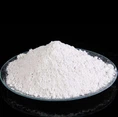

4-Nitroaniline, a well-known aromatic amine compound, has gained significant attention in the field of electrochemistry due to its unique chemical and electrochemical properties. As a reliable supplier of 4-Nitroaniline, I am excited to explore the diverse applications of this compound in electrochemistry and share valuable insights with you.
Electrochemical Sensors
One of the prominent applications of 4-Nitroaniline in electrochemistry is in the development of electrochemical sensors. Electrochemical sensors are analytical devices that convert chemical information into electrical signals, offering high sensitivity, selectivity, and rapid response times. 4-Nitroaniline can be used as a sensing element or modifier in these sensors to detect various analytes.


For instance, in the detection of heavy metal ions such as lead (Pb2+), cadmium (Cd2+), and mercury (Hg2+), 4-Nitroaniline can be immobilized on the surface of an electrode. The nitro group in 4-Nitroaniline can undergo redox reactions in the presence of these metal ions, resulting in changes in the electrochemical signal. By measuring these changes, the concentration of the metal ions can be accurately determined. This approach has been widely used in environmental monitoring to detect trace amounts of heavy metals in water and soil samples.
In addition, 4-Nitroaniline can also be used to develop sensors for detecting organic compounds. For example, it can be used to detect phenolic compounds, which are common environmental pollutants. The electrochemical oxidation of 4-Nitroaniline can be influenced by the presence of phenolic compounds, leading to changes in the oxidation potential and current. This allows for the sensitive and selective detection of phenolic compounds in real samples.
Electrochromic Devices
Electrochromic devices are materials or devices that can change their optical properties (such as color, transmittance, or reflectance) in response to an applied electrical potential. 4-Nitroaniline has shown potential applications in electrochromic devices due to its redox-active nature.
When 4-Nitroaniline is incorporated into an electrochromic system, it can undergo reversible redox reactions upon the application of an electrical potential. These redox reactions are accompanied by changes in the molecular structure and electronic properties of 4-Nitroaniline, resulting in a change in its optical absorption spectrum. As a result, the color of the electrochromic device can be switched between different states.
For example, in a typical electrochromic device, 4-Nitroaniline can be dissolved in an electrolyte solution and sandwiched between two electrodes. When a positive potential is applied, 4-Nitroaniline is oxidized, and the device changes color. When a negative potential is applied, it is reduced, and the device returns to its original color. This property makes 4-Nitroaniline a promising candidate for applications in smart windows, displays, and anti-glare mirrors.
Batteries and Supercapacitors
The development of high-performance energy storage devices such as batteries and supercapacitors is crucial for the widespread adoption of renewable energy sources and the advancement of portable electronics. 4-Nitroaniline has shown potential applications in these energy storage systems.
In batteries, 4-Nitroaniline can be used as an electrode material or additive. Its redox-active nature allows it to store and release energy through electrochemical reactions. For example, in a lithium-ion battery, 4-Nitroaniline can be incorporated into the cathode material to improve its capacity and cycling stability. The nitro group in 4-Nitroaniline can participate in the redox reactions with lithium ions, providing additional storage sites for energy.
In supercapacitors, 4-Nitroaniline can be used to enhance the capacitance and energy density. Supercapacitors store energy through the adsorption and desorption of ions at the electrode-electrolyte interface. By introducing 4-Nitroaniline into the electrode material, the surface area and electrochemical activity of the electrode can be increased, leading to an improvement in the capacitance and energy storage performance.
Corrosion Inhibition
Corrosion is a major problem in many industries, causing significant economic losses and safety hazards. Electrochemical methods are widely used to study and control corrosion processes. 4-Nitroaniline has been investigated as a potential corrosion inhibitor due to its ability to form a protective film on the metal surface.
When 4-Nitroaniline is added to an electrolyte solution in contact with a metal surface, it can adsorb onto the metal surface through chemical interactions. The adsorbed 4-Nitroaniline molecules form a protective film that can prevent the access of corrosive species such as oxygen and water to the metal surface, thereby reducing the corrosion rate.
For example, in the corrosion protection of steel in acidic solutions, 4-Nitroaniline has been shown to effectively inhibit the corrosion process. The adsorption of 4-Nitroaniline on the steel surface can block the active sites for corrosion reactions and reduce the dissolution of iron. This approach has potential applications in the protection of pipelines, storage tanks, and other metal structures in the chemical and petroleum industries.
Conclusion
In conclusion, 4-Nitroaniline has a wide range of applications in electrochemistry, including electrochemical sensors, electrochromic devices, batteries and supercapacitors, and corrosion inhibition. Its unique chemical and electrochemical properties make it a versatile compound for various electrochemical applications.
As a reliable supplier of 4-Nitroaniline, we are committed to providing high-quality products to meet the needs of our customers in the electrochemistry field. If you are interested in using 4-Nitroaniline for your research or industrial applications, please feel free to contact us for more information and to discuss potential procurement opportunities. We look forward to collaborating with you to explore the exciting possibilities of 4-Nitroaniline in electrochemistry.
In addition to 4-Nitroaniline, we also supply other related chemical compounds such as 1,3-Cyclohexanedione, 2,3-Pyridinedicarboxylic Acid, and Methyl Hydrogen Polysiloxane Uses. These compounds also have various applications in different fields, and we can provide you with detailed information and technical support.
References
- Bard, A. J., & Faulkner, L. R. (2001). Electrochemical Methods: Fundamentals and Applications. John Wiley & Sons.
- Aricò, A. S., Bruce, P., Scrosati, B., Tarascon, J. M., & van Schalkwijk, W. (2005). Nanostructured materials for advanced energy conversion and storage devices. Nature Materials, 4(5), 366-377.
- Razaq, M., & Quraishi, M. A. (2015). A review on the application of computational chemistry to corrosion inhibitor studies. Corrosion Science, 96, 220-234.
- Wang, J. (2006). Electroanalytical Chemistry: Second, Completely Revised and Enlarged Edition. Wiley-VCH.