


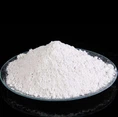

Hexamethyldisiloxane (HMDSO), with the chemical formula [(CH₃)₃Si]₂O, is a colorless, volatile liquid with a slight odor. It is an important organosilicon compound widely used in various fields, especially in the synthesis of other organosilicon compounds. As a reliable supplier of Hexamethyldisiloxane, I am excited to share with you the diverse applications of HMDSO in the synthesis of organosilicon compounds.
1. As a Solvent and Reaction Medium
One of the primary roles of HMDSO in the synthesis of organosilicon compounds is as a solvent and reaction medium. Its non - polar nature and relatively low boiling point (99.5 °C) make it an ideal choice for many silicon - based reactions.
In the synthesis of polysiloxanes, for example, HMDSO can dissolve silicon - containing monomers and catalysts. Polysiloxanes are a class of polymers with a wide range of applications, from lubricants to sealants. The use of HMDSO as a solvent allows for better mixing of reactants and more homogeneous reaction conditions. It can also help to control the viscosity of the reaction mixture, which is crucial for the formation of high - quality polysiloxanes.
Moreover, HMDSO's inertness towards many common reagents makes it a suitable medium for reactions that require a stable environment. It does not react with most silicon - based compounds under normal reaction conditions, ensuring that the reaction proceeds as expected without unwanted side reactions.
2. End - Capping Agent
HMDSO is widely used as an end - capping agent in the synthesis of various organosilicon polymers. When synthesizing linear polysiloxanes, the terminal silicon atoms can be capped with trimethylsilyl groups derived from HMDSO.
The end - capping process is essential for several reasons. Firstly, it can improve the stability of the polymer. By capping the reactive terminal groups, the polymer becomes less prone to further reactions, such as hydrolysis or cross - linking, which can lead to changes in its physical and chemical properties over time.
Secondly, end - capping with HMDSO can modify the surface properties of the polymer. For example, in the case of silicone oils, end - capping can reduce the surface tension, making the oil more spreadable and improving its lubricating properties. This is particularly important in applications such as cosmetic formulations, where silicone oils are used for their smooth and non - greasy feel.
3. Precursor for the Synthesis of Functional Organosilicon Compounds
HMDSO can serve as a precursor for the synthesis of a variety of functional organosilicon compounds. Through various chemical reactions, the trimethylsilyl groups in HMDSO can be modified or replaced to introduce new functional groups.
3.1 Synthesis of Siloxane Copolymers
Siloxane copolymers are polymers that contain different types of siloxane units. HMDSO can be used as one of the starting materials in the synthesis of these copolymers. For instance, by reacting HMDSO with other siloxane monomers or functionalized silicon compounds, copolymers with unique properties can be obtained.
These copolymers can have improved mechanical properties, thermal stability, or chemical resistance compared to homopolymers. They are used in a wide range of applications, including coatings, adhesives, and elastomers.
3.2 Synthesis of Functionalized Silanes
HMDSO can also be used to synthesize functionalized silanes. For example, through a series of reactions, the trimethylsilyl groups in HMDSO can be replaced with other functional groups such as vinyl, epoxy, or amino groups.
Vinyl - functionalized silanes are important intermediates in the synthesis of cross - linkable silicone materials. They can participate in addition reactions, such as hydrosilylation, to form three - dimensional networks. These cross - linked silicone materials are widely used in applications such as electronic encapsulation and dental materials.
Epoxy - functionalized silanes, on the other hand, can be used to improve the adhesion of silicone materials to various substrates. They can react with both the silicone matrix and the substrate surface, forming strong chemical bonds and enhancing the overall performance of the material.
4. Intermediate in the Production of Specialized Organosilicon Compounds
HMDSO is an important intermediate in the production of some specialized organosilicon compounds. For example, it can be used in the synthesis of Bis - hydroxyethoxypropyl Dimethicone. This compound is a type of silicone surfactant that is widely used in the cosmetic and personal care industry due to its excellent emulsifying and moisturizing properties.
The synthesis of Bis - hydroxyethoxypropyl Dimethicone from HMDSO involves a series of steps, including functionalization of the silicon atoms and introduction of the hydroxyethoxypropyl groups. HMDSO provides the basic siloxane structure, which is then modified to obtain the desired functional compound.
Similarly, HMDSO can be used as an intermediate in the synthesis of Ethenylethoxydimethyl Silane and Dimethoxymethylvinylsilane. These compounds are important in the synthesis of silicone rubber and other cross - linkable silicone materials. They can participate in cross - linking reactions to form a strong and durable polymer network.
5. Surface Modification
In addition to its use in the synthesis of bulk organosilicon compounds, HMDSO can be used for surface modification. When applied to a surface, HMDSO can form a thin layer of trimethylsilyl groups on the surface, which can change the surface properties of the substrate.
For example, in the field of microelectronics, HMDSO can be used to modify the surface of silicon wafers. The trimethylsilyl layer can improve the adhesion of photoresists, which are used in the lithography process for patterning integrated circuits. It can also reduce the surface energy of the wafer, making it more hydrophobic and less prone to contamination.
In the case of glass surfaces, HMDSO treatment can make the glass more water - repellent and easier to clean. This is useful in applications such as automotive windshields and optical lenses.
Conclusion
In conclusion, Hexamethyldisiloxane plays a crucial role in the synthesis of organosilicon compounds. Its applications range from being a solvent and end - capping agent to a precursor for the synthesis of functional organosilicon compounds and a surface - modifying agent.
As a reliable supplier of Hexamethyldisiloxane, we are committed to providing high - quality products to meet the diverse needs of our customers. Whether you are involved in the production of polysiloxanes, silicone elastomers, or other organosilicon - based products, our HMDSO can be an essential ingredient in your synthesis process.
If you are interested in purchasing Hexamethyldisiloxane or have any questions about its applications, please feel free to contact us for further discussion and negotiation. We look forward to establishing a long - term and mutually beneficial partnership with you.

![F]4)O}9@68}X2WY2YY1FD{H](/uploads/38764/page/dimethoxymethylvinylsilanef32bb.png)
References
- Brook, M. A. (2000). Silicon in Organic, Organometallic, and Polymer Chemistry. Wiley - Interscience.
- Noll, W. (1968). Chemistry and Technology of Silicones. Academic Press.
- Rochow, E. G., Müller, R., & Gordon, R. (1995). The Chemistry of Organic Silicon Compounds. Wiley - VCH.