



P-Phenylenediamine (PPD), a crucial chemical compound, has found widespread applications in various industries, including the production of dyes, rubber chemicals, and pharmaceuticals. As a supplier of P-Phenylenediamine, I am often asked about its potential effects on DNA. In this blog post, I will delve into the scientific research surrounding the impact of P-Phenylenediamine on DNA, exploring both the positive and negative aspects based on available evidence.
Chemical Properties of P-Phenylenediamine
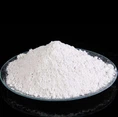
P-Phenylenediamine is an aromatic amine with the chemical formula C₆H₄(NH₂)₂. It is a white to light purple crystalline solid that is soluble in water, alcohol, and ether. Due to its reactive amino groups, PPD can undergo various chemical reactions, which make it a valuable intermediate in the synthesis of many organic compounds. In the dye industry, for example, PPD is a key component in the formulation of permanent hair dyes, as it can react with oxidizing agents to form colored compounds that penetrate the hair shaft.
Potential DNA Damage Mechanisms
One of the primary concerns regarding P-Phenylenediamine is its potential to cause DNA damage. Several mechanisms have been proposed to explain how PPD might interact with DNA. Firstly, PPD can be metabolized in the body to form reactive oxygen species (ROS) such as superoxide anions, hydrogen peroxide, and hydroxyl radicals. These ROS are highly reactive and can cause oxidative stress within cells. Oxidative stress can lead to DNA damage in several ways, including the oxidation of DNA bases, the formation of DNA strand breaks, and the generation of DNA - protein cross - links.
Secondly, PPD and its metabolites can directly bind to DNA. The amino groups in PPD can react with DNA bases, forming adducts. These adducts can interfere with normal DNA replication and transcription processes. For instance, they may cause errors during DNA replication, leading to mutations. Mutations in DNA can have serious consequences, as they can disrupt normal cellular functions and potentially lead to the development of diseases such as cancer.
In Vitro Studies on DNA Damage
Numerous in vitro studies have been conducted to investigate the effects of P-Phenylenediamine on DNA. In cell culture experiments, researchers have exposed various cell lines to PPD and then analyzed the extent of DNA damage. For example, some studies have used the comet assay, a sensitive technique for detecting DNA strand breaks. These studies have shown that exposure to PPD can lead to an increase in the number of DNA strand breaks in cells.
Another in vitro approach is to examine the formation of DNA adducts. By using high - performance liquid chromatography (HPLC) and mass spectrometry techniques, scientists have been able to detect and quantify the adducts formed between PPD and DNA. The results of these studies indicate that PPD can indeed form covalent bonds with DNA bases, which may contribute to its genotoxic effects.
In Vivo Studies on DNA Damage
In vivo studies, which are conducted using whole organisms, provide a more comprehensive view of the effects of PPD on DNA. Animal studies have been carried out to assess the genotoxicity of PPD in different tissues. For example, mice exposed to PPD through inhalation or oral administration have shown signs of DNA damage in their lung, liver, and blood cells.
These in vivo studies also take into account the metabolism and distribution of PPD in the body. The liver, in particular, plays a crucial role in the metabolism of PPD. Enzymes in the liver can convert PPD into more reactive metabolites, which may be more likely to cause DNA damage. The results of these studies suggest that long - term exposure to PPD may pose a risk of DNA - related health problems in living organisms.

Regulatory Considerations
Given the potential genotoxic effects of P-Phenylenediamine, regulatory agencies around the world have set guidelines and restrictions on its use. For example, in the European Union, the use of PPD in cosmetics is regulated under the Cosmetics Regulation. The regulation sets limits on the concentration of PPD in hair dyes and requires clear labeling to inform consumers about the potential risks.
In the United States, the Food and Drug Administration (FDA) also monitors the use of PPD in consumer products. The FDA requires manufacturers to conduct safety assessments to ensure that products containing PPD are safe for consumer use. These regulatory measures are in place to protect the public from the potential harmful effects of PPD on DNA and overall health.
Positive Aspects of P - Phenylenediamine
Despite the concerns about its genotoxicity, P - Phenylenediamine also has some positive aspects. In the industrial sector, it is an essential raw material for the production of high - quality dyes. These dyes are used in a wide range of applications, from textile dyeing to hair coloring. The ability of PPD - based dyes to provide long - lasting and intense colors makes them popular among consumers and industries alike.
In the pharmaceutical industry, PPD can be used as an intermediate in the synthesis of certain drugs. For example, it can be used in the production of Alpha-(2 4-Dichlorophenyl)-1H-imidazole-1-ethanol, which has potential therapeutic applications.

Minimizing the Risks
As a supplier of P - Phenylenediamine, we are committed to ensuring the safe use of our products. We provide detailed Safety Data Sheet PPD to our customers, which includes information on the handling, storage, and potential hazards of PPD. Our customers are advised to follow proper safety procedures when working with PPD to minimize the risk of exposure and potential DNA damage.
In addition, we support ongoing research to better understand the effects of PPD on DNA and to develop safer alternatives. For example, some researchers are exploring the use of modified forms of PPD or other chemical compounds that can achieve similar results without the same level of genotoxicity.
Related Compounds and Their Effects
It is also important to consider the effects of related compounds. For example, Methyl Hydrogen Polysiloxane Uses are diverse, but it is crucial to study how it may interact with DNA if it comes into contact with living organisms. Comparing the effects of different compounds can help us gain a better understanding of the general mechanisms of DNA damage and develop more effective safety strategies.
Conclusion
In conclusion, P - Phenylenediamine has both positive and negative effects on DNA. While it is a valuable chemical in various industries, its potential to cause DNA damage through oxidative stress and adduct formation cannot be ignored. Regulatory agencies have taken steps to manage the risks associated with its use, but continuous research is needed to fully understand the long - term effects of PPD on DNA and human health.

As a supplier, we are dedicated to providing high - quality P - Phenylenediamine products while ensuring the safety of our customers. If you are interested in purchasing P - Phenylenediamine for your industrial or research needs, we encourage you to contact us for more information and to discuss your specific requirements. We are ready to assist you in finding the best solutions for your applications.
References
- Aitio, A., & Wilbourn, J. (1982). Carcinogenicity of p - phenylenediamine in mice. Journal of the National Cancer Institute, 68(3), 439 - 443.
- Lioy, P. J., & Daisey, J. M. (1997). Indoor air quality: Science and application. Van Nostrand Reinhold.
- WHO. (2000). Concise International Chemical Assessment Document 28: p - Phenylenediamine. World Health Organization.