


Hey there! As a supplier of P-Phenylenediamine, I often get asked about the materials that just don't play nice with this chemical. P-Phenylenediamine is a pretty versatile compound, but like any chemical, it has its no-go zones. Let's dive into what those incompatible materials are.
First off, let's talk about oxidizing agents. Oxidizing agents are substances that can cause oxidation reactions, and they're a big no-no when it comes to P-Phenylenediamine. These agents have a strong tendency to accept electrons from other substances, and P-Phenylenediamine can easily lose electrons. When they come into contact, it can lead to a violent reaction. For example, strong oxidizers like hydrogen peroxide, potassium permanganate, and sodium dichromate can react vigorously with P-Phenylenediamine. This reaction can generate a significant amount of heat, and in some cases, it can even cause an explosion. So, if you're handling P-Phenylenediamine, make sure to keep it far away from any oxidizing agents.
Another group of incompatible materials is acids. Acids are substances that can donate protons (H+ ions). When P-Phenylenediamine reacts with acids, it forms salts. This might not sound too dangerous at first, but the reaction can be exothermic, meaning it releases heat. In large quantities, this heat can cause problems, especially if the reaction is not properly controlled. Strong acids like sulfuric acid, hydrochloric acid, and nitric acid should be avoided when working with P-Phenylenediamine. Even weak acids can cause issues over time, as they can slowly break down the P-Phenylenediamine and change its properties.
Bases are also on the list of incompatible materials. Bases are substances that can accept protons. When P-Phenylenediamine reacts with bases, it can undergo a chemical change that affects its structure and properties. Strong bases like sodium hydroxide and potassium hydroxide can react with P-Phenylenediamine to form different compounds. These reactions can be unpredictable and may lead to the formation of hazardous by-products. So, it's important to store and handle P-Phenylenediamine separately from bases.
Halogenated compounds are another category to watch out for. Halogens are elements like chlorine, bromine, and iodine. Halogenated compounds contain these elements and can react with P-Phenylenediamine in various ways. Some halogenated compounds can cause substitution reactions, where the halogen atoms replace some of the hydrogen atoms in the P-Phenylenediamine molecule. This can change the chemical properties of the P-Phenylenediamine and make it less effective for its intended use. For example, chlorinated solvents like chloroform and carbon tetrachloride should not be used in the same area as P-Phenylenediamine.
Metals can also be incompatible with P-Phenylenediamine. Some metals can react with P-Phenylenediamine to form metal complexes. These complexes can have different properties than the original P-Phenylenediamine and may be unstable. For example, copper and iron can react with P-Phenylenediamine under certain conditions. This can lead to the formation of colored complexes that can contaminate the P-Phenylenediamine and make it unusable. So, it's important to store P-Phenylenediamine in containers made of materials that are resistant to chemical reactions, such as glass or certain types of plastics.
Now, let's talk about some specific compounds that are incompatible with P-Phenylenediamine. Midazole-ethanol Compounds are known to react with P-Phenylenediamine. These compounds are often used in the pharmaceutical industry, and their reaction with P-Phenylenediamine can lead to the formation of new compounds that may have unknown properties. So, if you're working with both P-Phenylenediamine and Midazole-ethanol Compounds, make sure to keep them separate.
1 Fluoronaphthalene Synthesis is another area where you need to be careful. The chemicals used in the synthesis of 1-fluoronaphthalene can react with P-Phenylenediamine. These reactions can be complex and may involve the formation of intermediate compounds that can be hazardous. So, if you're involved in 1 Fluoronaphthalene Synthesis, make sure to take the necessary precautions when handling P-Phenylenediamine.
HMDSO Solvent Applications also require caution when working with P-Phenylenediamine. HMDSO (Hexamethyldisiloxane) is a common solvent used in various industries. However, it can react with P-Phenylenediamine under certain conditions. The reaction can lead to the formation of by-products that may affect the quality of the P-Phenylenediamine. So, if you're using HMDSO Solvent Applications, make sure to keep the P-Phenylenediamine away from the HMDSO solvent.

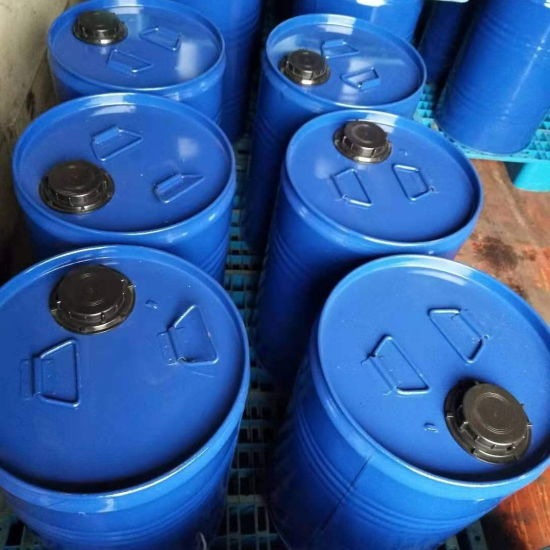
In conclusion, as a supplier of P-Phenylenediamine, I want to stress the importance of understanding the incompatible materials. Proper handling and storage of P-Phenylenediamine are crucial to ensure its safety and effectiveness. By keeping it away from oxidizing agents, acids, bases, halogenated compounds, metals, and specific incompatible compounds like Midazole-ethanol Compounds, 1 Fluoronaphthalene Synthesis, and HMDSO Solvent Applications, you can avoid potential hazards and ensure the quality of your products.
If you're in the market for high-quality P-Phenylenediamine, I'd love to talk to you. Whether you have questions about its compatibility with other materials or you're ready to place an order, don't hesitate to reach out. We're here to provide you with the best products and support.
References
- "Handbook of Chemical Compatibility"
- "Chemical Reaction Engineering"
- Industry research reports on P-Phenylenediamine and related compounds