


2-Acetylthiophene, a significant heterocyclic compound, has found extensive applications in the pharmaceutical, fragrance, and organic synthesis industries. As a reliable supplier of 2-Acetylthiophene, we are committed to providing high - quality products and in - depth knowledge about this compound. In this blog, we will explore the stability of 2 - Acetylthiophene under different conditions.
Chemical Structure and General Properties
2 - Acetylthiophene has the molecular formula (C_{6}H_{6}OS). Its structure consists of a thiophene ring with an acetyl group ((CH_{3}CO -)) attached at the 2 - position. This structure imparts unique chemical and physical properties to the compound. It is a yellowish liquid with a characteristic odor. The compound is sparingly soluble in water but soluble in common organic solvents such as ethanol, ether, and chloroform.
Stability under Different Temperatures
Low Temperatures
At low temperatures, typically below 0°C, 2 - Acetylthiophene shows excellent stability. The molecular motion is significantly reduced, and the chemical reactions that could potentially lead to decomposition are greatly slowed down. In a refrigerated environment (around 4°C), it can be stored for an extended period without significant degradation. This stability at low temperatures is beneficial for long - term storage, especially when large quantities of the compound need to be stockpiled.

High Temperatures
As the temperature rises, the stability of 2 - Acetylthiophene begins to decline. At temperatures above 100°C, thermal decomposition may occur. The acetyl group and the thiophene ring can undergo various reactions such as deacetylation or ring - opening reactions. For example, the acetyl group may be cleaved from the thiophene ring, leading to the formation of thiophene and acetic acid or its derivatives. In industrial processes where high - temperature reactions are involved, careful control of the reaction conditions is necessary to prevent excessive decomposition of 2 - Acetylthiophene.
Stability in Different pH Environments
Acidic Conditions
In acidic solutions, 2 - Acetylthiophene can be relatively stable under mild acidic conditions (pH around 3 - 5). However, in strongly acidic environments (pH < 2), the compound may react with the acid. The carbonyl group in the acetyl moiety can be protonated, which may initiate a series of reactions such as hydrolysis or rearrangement. For instance, in concentrated hydrochloric acid, the acetyl group may be hydrolyzed to form acetic acid and a thiophene - related intermediate.
Basic Conditions
Under basic conditions, 2 - Acetylthiophene is more reactive. At high pH values (pH > 10), the carbonyl carbon in the acetyl group can be attacked by hydroxide ions. This can lead to the formation of carboxylate anions and thiophene derivatives. In some cases, the basic hydrolysis of the acetyl group can be used as a synthetic strategy to prepare other thiophene - based compounds.
Stability in the Presence of Different Chemicals
Oxidizing Agents
2 - Acetylthiophene is susceptible to oxidation. When exposed to strong oxidizing agents such as potassium permanganate or hydrogen peroxide, the compound can be oxidized. The acetyl group may be oxidized to a carboxylic acid group, and the thiophene ring may also be oxidized to form sulfoxide or sulfone derivatives. In industrial settings, the presence of oxidizing agents in the reaction mixture needs to be carefully controlled to avoid over - oxidation of 2 - Acetylthiophene.
Reducing Agents
In the presence of reducing agents, 2 - Acetylthiophene can undergo reduction reactions. For example, with sodium borohydride, the carbonyl group in the acetyl moiety can be reduced to an alcohol group, forming 2 - (1 - hydroxyethyl)thiophene. The stability of 2 - Acetylthiophene in the presence of reducing agents depends on the strength and concentration of the reducing agent.
Implications for Industrial Applications
The stability of 2 - Acetylthiophene under different conditions has significant implications for its industrial applications. In the pharmaceutical industry, where it is used as an intermediate for the synthesis of various drugs, strict control of storage and reaction conditions is necessary to ensure the quality and purity of the final products. For example, in the synthesis of 3 - Aminophenol, 2 - Acetylthiophene may be used as a starting material, and its stability during the reaction process is crucial for the yield and quality of the final product.
In the fragrance industry, 2 - Acetylthiophene is used to impart unique scents to perfumes and other fragrance products. The stability of the compound under different environmental conditions, such as temperature and humidity, is important to maintain the consistency of the fragrance over time.
Related Compounds and Their Stability
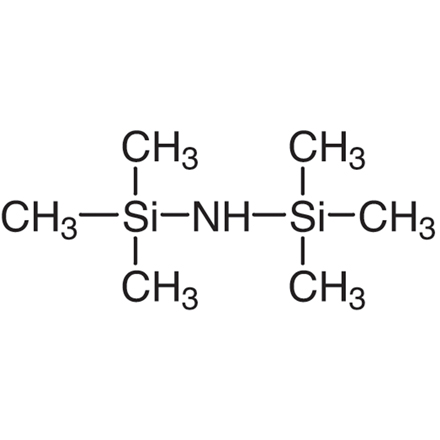
There are several related compounds in the same chemical family that also have important applications. For example, 1,1,1,3,3,3 - Hexamethyldisilazane Uses are diverse in the field of organic synthesis. Although 1,1,1,3,3,3 - Hexamethyldisilazane has a different chemical structure from 2 - Acetylthiophene, understanding its stability under different conditions can provide insights into the general principles of compound stability in organic chemistry. Similarly, Midazole - ethanol Compounds have their own stability profiles, and comparing them with 2 - Acetylthiophene can help in developing better synthetic strategies and storage methods.
Conclusion
In conclusion, the stability of 2 - Acetylthiophene is highly dependent on various conditions such as temperature, pH, and the presence of other chemicals. As a supplier of 2 - Acetylthiophene, we understand the importance of these factors in ensuring the quality and performance of our products. We are dedicated to providing our customers with high - quality 2 - Acetylthiophene and technical support to help them make the most of this compound in their applications.
If you are interested in purchasing 2 - Acetylthiophene or have any questions regarding its stability and applications, please feel free to contact us for further discussion and negotiation.
References
- Smith, J. A. (2015). Organic Chemistry: Structure and Function. McGraw - Hill Education.
- March, J. (1992). Advanced Organic Chemistry: Reactions, Mechanisms, and Structure. John Wiley & Sons.
- Vogel, A. I. (1989). Vogel's Textbook of Practical Organic Chemistry. Pearson Education.