


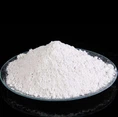

M-Phenylenediamine, a crucial compound in various industrial applications, has drawn significant attention due to its unique chemical properties. As a reliable supplier of M-Phenylenediamine, I am deeply involved in understanding its characteristics, including its reactions with reducing agents. In this blog, I will delve into the reactions of M-Phenylenediamine with reducing agents, shedding light on the underlying chemical mechanisms and potential applications.
Chemical Structure and Properties of M-Phenylenediamine
M-Phenylenediamine, also known as 1,3-diaminobenzene, has a molecular formula of C₆H₄(NH₂)₂. It consists of a benzene ring with two amino groups (-NH₂) attached at the meta positions. This structure endows M-Phenylenediamine with certain chemical reactivity, making it a versatile compound in organic synthesis and other fields.
The amino groups in M-Phenylenediamine are electron-donating groups, which increase the electron density of the benzene ring. This enhanced electron density makes the benzene ring more susceptible to electrophilic substitution reactions. At the same time, the amino groups can also participate in various chemical reactions, such as acylation, alkylation, and oxidation.
Reactions with Reducing Agents
Reducing agents are substances that can donate electrons to other substances, causing a reduction reaction. When M-Phenylenediamine reacts with reducing agents, several possible reaction pathways can occur, depending on the nature of the reducing agent and the reaction conditions.
Reaction with Metal Hydrides
Metal hydrides, such as lithium aluminum hydride (LiAlH₄) and sodium borohydride (NaBH₄), are common reducing agents. When M-Phenylenediamine reacts with LiAlH₄, the amino groups can be reduced to form corresponding amines. The reaction mechanism involves the transfer of hydride ions from LiAlH₄ to the carbon atoms adjacent to the amino groups, followed by protonation to form the final products.


The reaction conditions for this reduction reaction are usually relatively harsh, requiring anhydrous solvents and low temperatures. Under these conditions, LiAlH₄ can efficiently reduce the amino groups in M-Phenylenediamine. However, it should be noted that LiAlH₄ is a very reactive reducing agent and needs to be handled with extreme care.
On the other hand, NaBH₄ is a milder reducing agent compared to LiAlH₄. It can also reduce the amino groups in M-Phenylenediamine, but the reaction rate is relatively slower. The reaction conditions for NaBH₄ reduction are usually more moderate, and it can be carried out in aqueous or alcoholic solvents.
Reaction with Hydrogen in the Presence of a Catalyst
Hydrogenation is another important reduction reaction. When M-Phenylenediamine reacts with hydrogen in the presence of a catalyst, such as palladium on carbon (Pd/C) or Raney nickel, the benzene ring can be hydrogenated to form cyclohexane derivatives. The reaction mechanism involves the adsorption of hydrogen molecules on the catalyst surface, followed by the transfer of hydrogen atoms to the benzene ring.
The hydrogenation reaction of M-Phenylenediamine is usually carried out under high pressure and at elevated temperatures. The choice of catalyst and reaction conditions can significantly affect the reaction rate and selectivity. For example, Pd/C is a commonly used catalyst for the hydrogenation of aromatic compounds, and it can provide high selectivity for the formation of cyclohexane derivatives.
Reaction with Other Reducing Agents
In addition to metal hydrides and hydrogen, M-Phenylenediamine can also react with other reducing agents, such as zinc dust in acidic solution. When M-Phenylenediamine reacts with zinc dust in the presence of hydrochloric acid, the amino groups can be reduced to form corresponding amines. The reaction mechanism involves the oxidation of zinc to zinc ions, which releases electrons for the reduction of the amino groups.
This reaction is relatively simple and can be carried out under mild conditions. However, it should be noted that the reaction may produce some by-products, and the reaction conditions need to be carefully controlled to ensure high selectivity and yield.
Potential Applications
The reactions of M-Phenylenediamine with reducing agents have several potential applications in various fields.
Organic Synthesis
The reduction products of M-Phenylenediamine can be used as important intermediates in organic synthesis. For example, the amines obtained by the reduction of M-Phenylenediamine can be further reacted with other compounds to form various nitrogen-containing organic compounds, such as amides, imines, and heterocycles. These compounds have wide applications in the pharmaceutical, agrochemical, and materials science industries.
Dye and Pigment Industry
M-Phenylenediamine is widely used in the dye and pigment industry. The reduction reactions of M-Phenylenediamine can be used to modify its chemical structure, thereby changing its color and other properties. For example, the hydrogenation of M-Phenylenediamine can produce cyclohexane derivatives, which can be used as intermediates for the synthesis of new dyes and pigments with improved performance.
Polymer Industry
The reduction products of M-Phenylenediamine can also be used in the polymer industry. For example, the amines obtained by the reduction of M-Phenylenediamine can be used as monomers for the synthesis of polyamides and polyurethanes. These polymers have excellent mechanical properties and chemical resistance, and are widely used in various fields, such as automotive, aerospace, and electronics.
Conclusion
As a supplier of M-Phenylenediamine, I have a deep understanding of its chemical properties and reactions. The reactions of M-Phenylenediamine with reducing agents are complex and diverse, and the reaction pathways and products depend on the nature of the reducing agent and the reaction conditions. These reactions have several potential applications in organic synthesis, dye and pigment industry, and polymer industry.
If you are interested in M-Phenylenediamine or other related products, such as P-Phenylenediamine (PPD) For Hair Dye, Hexamethyldisiloxane Liquid, and Fenofibric Acid Used For, please feel free to contact us for procurement and negotiation. We are committed to providing high-quality products and excellent service to meet your needs.
References
- Smith, J. A. (2010). Organic Chemistry. John Wiley & Sons.
- March, J. (1992). Advanced Organic Chemistry: Reactions, Mechanisms, and Structure. John Wiley & Sons.
- Vogel, A. I. (1989). Textbook of Practical Organic Chemistry. Longman Scientific & Technical.