


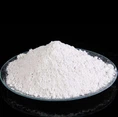

As a supplier of Chlorphenesin, one of the key aspects I've delved into is the legal restrictions on this compound across different countries. Chlorphenesin, chemically known as 3-(4-chlorophenoxy)-1,2-propanediol, is a common ingredient used in various industries, including cosmetics, pharmaceuticals, and personal care products. Its properties, such as antibacterial and antifungal characteristics, make it a valuable addition to many formulations. However, the legal landscape regarding its use varies significantly from one country to another.
United States
In the United States, the Food and Drug Administration (FDA) regulates the use of Chlorphenesin. It is generally recognized as safe (GRAS) for use in cosmetics under certain conditions. The Cosmetic Ingredient Review (CIR) Expert Panel has evaluated Chlorphenesin and found it to be safe for use in cosmetics at concentrations up to 1%. This concentration limit is set to ensure consumer safety while allowing manufacturers to benefit from its preservative properties.
For pharmaceutical applications, Chlorphenesin may be used in specific formulations, but it must comply with the strict regulations set by the FDA. Pharmaceutical products undergo rigorous testing and approval processes to ensure their safety, efficacy, and quality. Any company using Chlorphenesin in pharmaceutical products must adhere to Good Manufacturing Practices (GMP) and provide detailed documentation regarding the source, purity, and usage of the ingredient.
European Union
The European Union has its own set of regulations regarding the use of Chlorphenesin. In the cosmetics industry, Chlorphenesin is listed in the Cosmetics Regulation (EC) No 1223/2009. It is allowed for use as a preservative in cosmetics, but with specific conditions. The maximum allowed concentration in leave-on products is 0.3%, while in rinse-off products, it can be used up to 0.4%. These limits are based on scientific assessments of the potential risks associated with the ingredient.
In the pharmaceutical sector, the European Medicines Agency (EMA) is responsible for regulating the use of Chlorphenesin. Similar to the FDA in the United States, the EMA requires extensive testing and documentation for pharmaceutical products containing Chlorphenesin. The quality, safety, and efficacy of these products are thoroughly evaluated before they can be approved for sale in the EU market.
Asia
In Asia, the legal restrictions on Chlorphenesin vary from country to country. For example, in Japan, the Ministry of Health, Labour and Welfare (MHLW) regulates the use of Chlorphenesin in cosmetics and pharmaceuticals. The MHLW has specific guidelines regarding the concentration limits and usage conditions for Chlorphenesin in these industries.
In South Korea, the Ministry of Food and Drug Safety (MFDS) is responsible for overseeing the use of Chlorphenesin. Cosmetics and pharmaceutical products containing Chlorphenesin must meet the standards set by the MFDS, which include safety and quality requirements.
In China, the National Medical Products Administration (NMPA) regulates the use of Chlorphenesin in the pharmaceutical and cosmetics industries. The NMPA has its own set of regulations and approval processes to ensure the safety and quality of products containing Chlorphenesin.
South America
In South American countries, the legal situation regarding Chlorphenesin also differs. For instance, in Brazil, the National Health Surveillance Agency (ANVISA) regulates the use of Chlorphenesin in cosmetics and pharmaceuticals. ANVISA has established specific regulations regarding the maximum allowable concentrations and usage conditions for Chlorphenesin in these products.
Other South American countries may have similar regulatory bodies that oversee the use of Chlorphenesin to protect consumer health and ensure the quality of products in the market.
Impact on the Supply Chain
These varying legal restrictions have a significant impact on the supply chain of Chlorphenesin. As a supplier, I need to be well - informed about the regulations in different countries to ensure that my customers can use the product legally and safely. This means that I must provide accurate information about the product's specifications, purity, and compliance with relevant regulations.
For example, if a customer in the EU requests Chlorphenesin for use in a cosmetic product, I need to ensure that the product meets the EU's Cosmetics Regulation. This may involve providing certificates of analysis, documentation regarding the manufacturing process, and information about the source of the ingredient.


In addition, the different concentration limits in various countries require careful formulation and quality control. Manufacturers may need to adjust their formulations based on the destination market to comply with the local regulations. This can add complexity to the production process but is essential for maintaining compliance and ensuring the success of the products in the market.
Related Products and Their Regulations
It's also important to note that there are other related products in the market that may have similar or different regulatory requirements. For example, HMDS Chemical is a chemical used in the pharmaceutical and electronics industries. Just like Chlorphenesin, HMDS Chemical is subject to strict regulations in different countries to ensure its safe use.
4-(Aminomethyl)benzoic Acid is another compound used in the pharmaceutical field. Its use is regulated to ensure its safety and efficacy in pharmaceutical products.
Hexamethyldisiloxane in Electronics is used in the electronics industry. The regulations for this product focus on its environmental impact, safety during handling, and its performance in electronic applications.
Conclusion
In conclusion, the legal restrictions on Chlorphenesin in different countries are complex and diverse. As a supplier, I am committed to providing high - quality Chlorphenesin that complies with the regulations of various markets. I work closely with my customers to ensure that they have all the necessary information and support to use Chlorphenesin legally and effectively in their products.
If you are in the market for Chlorphenesin or have any questions regarding its legal compliance in different countries, I would be more than happy to assist you. Feel free to reach out to me for more information and to discuss your procurement needs.
References
- Food and Drug Administration (FDA), United States
- Cosmetics Regulation (EC) No 1223/2009, European Union
- Ministry of Health, Labour and Welfare (MHLW), Japan
- Ministry of Food and Drug Safety (MFDS), South Korea
- National Medical Products Administration (NMPA), China
- National Health Surveillance Agency (ANVISA), Brazil